


Engineering College

CIVIL ENGINEERING

Civil Engineering is the science of designing and building the physical world around us — from roads, bridges, and buildings to smart cities and sustainable infrastructure. This program equips students with the knowledge and skills required to plan, construct, and manage modern infrastructure projects.

The curriculum covers structural engineering, construction technology, geotechnical engineering, surveying, transportation engineering, environmental engineering, and project management, supported by practical labs, site visits, design software, and real-world project exposure. Students learn how to analyse structures, use modern construction techniques, and develop infrastructure solutions that are safe, efficient, and sustainable.

With growing demand for urban development, smart infrastructure, and green construction, Civil Engineering offers strong career opportunities across public and private sectors.

The program prepares students for roles as Structural Engineers, Site Engineers, Construction Managers, Infrastructure Planners, and Project Engineers, enabling them to build the foundations of tomorrow’s world.

Infrastructure

The department provides modern IT infrastructure and advanced computer laboratories to support practical learning, technical skill development, and industry-aligned education.

The Programming Lab enables hands-on training in programming languages such as C, C++, Java, and Python, supported by high-speed internet and multi-platform computing environments including Windows and Linux.

The DBMS & Artificial Intelligence Lab supports learning in database management, artificial intelligence, machine learning fundamentals, and data-driven application development using industry-relevant tools.

The Networking Lab facilitates practical exposure to computer networking, network design, simulation, and network security concepts through professional software and lab setups.

The Operating Systems Lab focuses on system administration, server management, virtualization, and cybersecurity fundamentals across multiple operating environments.

The Operating Systems Lab focuses on system administration, server management, virtualization, and cybersecurity fundamentals across multiple operating environments.

The Digital Electronics & Computer Organization Lab strengthens understanding of digital electronics, computer architecture, and hardware fundamentals through practical experimentation.

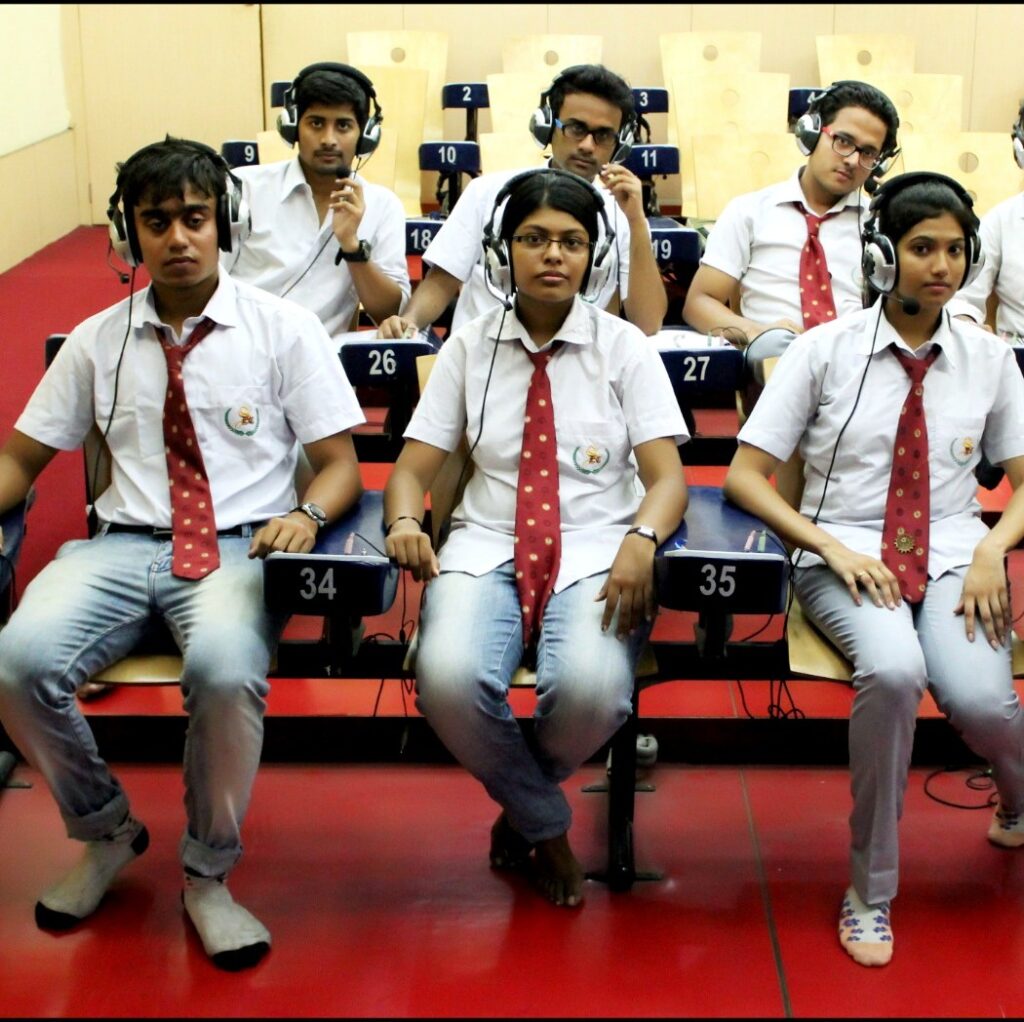
A dedicated Seminar Room supports presentations, technical workshops, seminars, collaborative learning, and academic discussions, enhancing communication and professional skills.

Career Prospects

Every structure around us — from roads and bridges to smart cities and sustainable infrastructure — begins with civil engineers. A B.Tech in Civil Engineering prepares students to design, plan, construct, and manage projects that shape communities and drive development.

  • Structural Engineer

  • Site Engineer

  • Construction Engineer

  • Project Engineer

  • Infrastructure Engineer

  • Geotechnical Engineer

  • Transportation Engineer

  • Environmental Engineer

  • Quantity Surveyor

  • Planning Engineer

  • Urban Planner

  • Design Engineer (Civil)

  • BIM Engineer

  • Construction Manager

  • Government Engineering Services (PSUs / Public Works)

  • Real Estate & Infrastructure Consultant

  • Researcher / Academician

  • Entrepreneur (Construction & Infrastructure)

Civil Engineering graduates can work across construction companies, infrastructure firms, consulting organizations, government sectors, smart city projects, and sustainable development initiatives.

Supporting Departments

Mathematics

The Mathematics department builds essential analytical and problem-solving abilities that form the backbone of engineering. Faculty members help students strengthen logical thinking and quantitative skills from the very beginning of their academic journey.
Physics

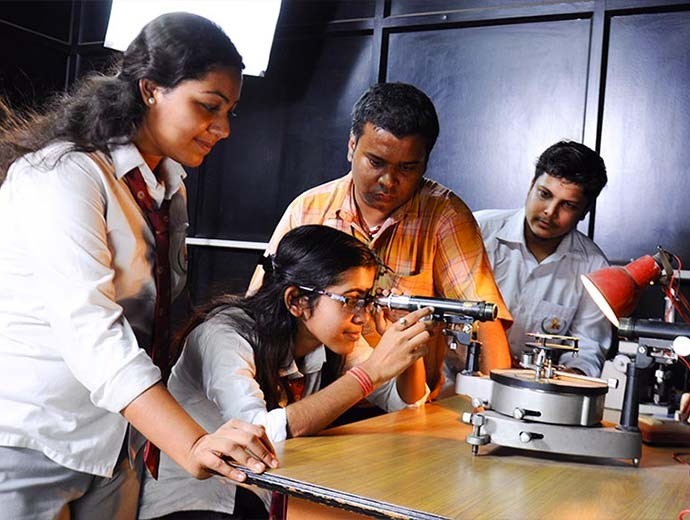
The Physics department introduces the fundamental scientific concepts behind engineering systems. Through conceptual clarity and practical understanding, students gain the scientific foundation needed for real-world technical applications.

English

The English department enhances communication, professional writing, and presentation skills, enabling students to confidently express technical ideas in academic, professional, and global settings.
Chemistry

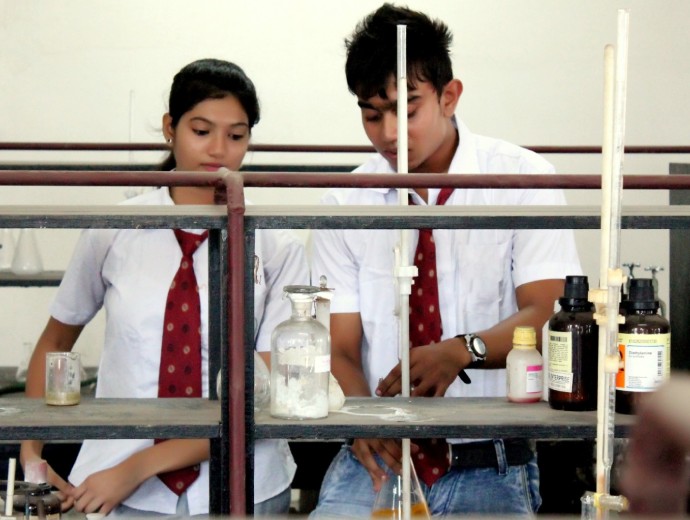
The Chemistry department connects scientific theory with engineering practice, covering materials, processes, and applied chemistry relevant to modern technology and industry.
Scroll to Top